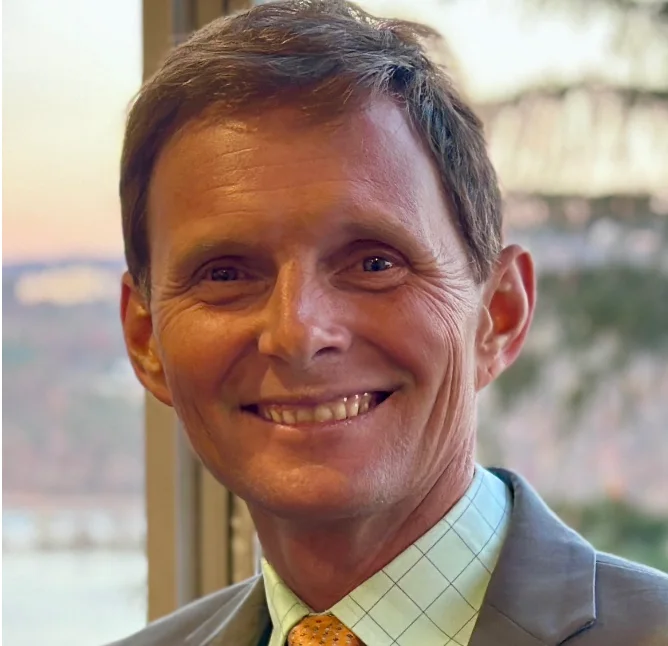
Peter Cloutier is a strategist, consultant, speaker, writer and professor of practice whose work has been shaped by decades of experience across organizations, cultures and some of the world’s most challenging environments.
His perspective comes from working alongside leaders, teams and communities — and from seeing firsthand what happens when strategy has to work beyond the boardroom.
Today, he brings that experience to organizations looking to rethink what is possible and create meaningful, lasting change.
You Can Learn Strategy. Experience Teaches You What to Do With It.
Peter’s professional life has crossed the boundaries between strategy, leadership, international development, education and organizational transformation.
He has worked in environments where the conditions were complex, the resources were not always abundant and conventional solutions were often insufficient.
Those experiences shaped a belief that remains central to his work:
Strategy has to be designed for the reality in which it will be lived.
That means understanding people.
Understanding systems.
Understanding constraints.
And having the willingness to challenge assumptions when the existing way of doing things is no longer enough.
THE JOURNEY
From the Field to the Classroom to the Boardroom.
Peter’s work has evolved across several worlds, but the underlying question has remained remarkably consistent:
How do people and organizations achieve more than their circumstances appear to allow?
His international development experience exposed him to complex operational environments and the realities of working alongside people whose challenges are often misunderstood from a distance.
His academic work brought those experiences into the classroom, including graduate-level teaching at Florida International University.
And his consulting work has brought the same practical perspective into organizational strategy, leadership and transformation.
Peter describes himself as a professor of practice for a reason.
The distinction matters.
The ideas aren’t purely theoretical. They are informed by having seen them tested in the real world.
PROFESSOR OF PRACTICE
Teaching What Has Been Lived.
Peter has taught international development and related subjects at the graduate university level, bringing practical experience into an academic environment.
That experience continues to influence how he thinks about education today. Rather than presenting one definitive answer to complicated questions, Peter’s teaching is designed to examine what has actually happened, what can be learned from it and where conventional thinking may fall short.
His courses draw on curriculum he has already developed and taught, now being adapted into more accessible educational content.
Peter’s work has taken him far beyond conventional professional environments. He has worked alongside local counterparts, communities, leaders and families in places where the realities of development, resilience and institutional effectiveness are immediate rather than theoretical. These experiences have influenced not only what Peter knows, but how he thinks. They have reinforced the importance of listening before prescribing, understanding before judging and designing solutions with the people who will ultimately have to make them work.
LEADERSHIP
Leadership Is What Happens When the Plan Meets Reality.
Peter’s understanding of leadership has been shaped by environments where decisions have consequences and circumstances can change quickly.
He has seen leadership succeed through clarity, adaptability and trust — and fail when assumptions go unchallenged or when strategy becomes detached from the people expected to execute it.
That experience informs the way he works with leadership teams today.
He isn’t interested in leadership as a collection of slogans.
He is interested in what leaders actually do when the stakes are high and the path forward isn’t obvious.
THE MINDSET
Question the Obvious.
Peter has never been particularly interested in accepting an idea simply because it has become conventional wisdom. He describes himself as a critic and an iconoclast — someone willing to examine accepted thinking, separate useful ideas from fashionable ones and ask whether the evidence actually supports the conclusion. That mindset is central to his strategic work. Because sometimes the biggest barrier to a new strategy isn’t a lack of ideas. It’s an unwillingness to question the old ones.
“What if we’re solving the wrong problem?”
BEYOND THE WORK
A Life Lived With Curiosity.
Peter’s professional work is only one part of the story.
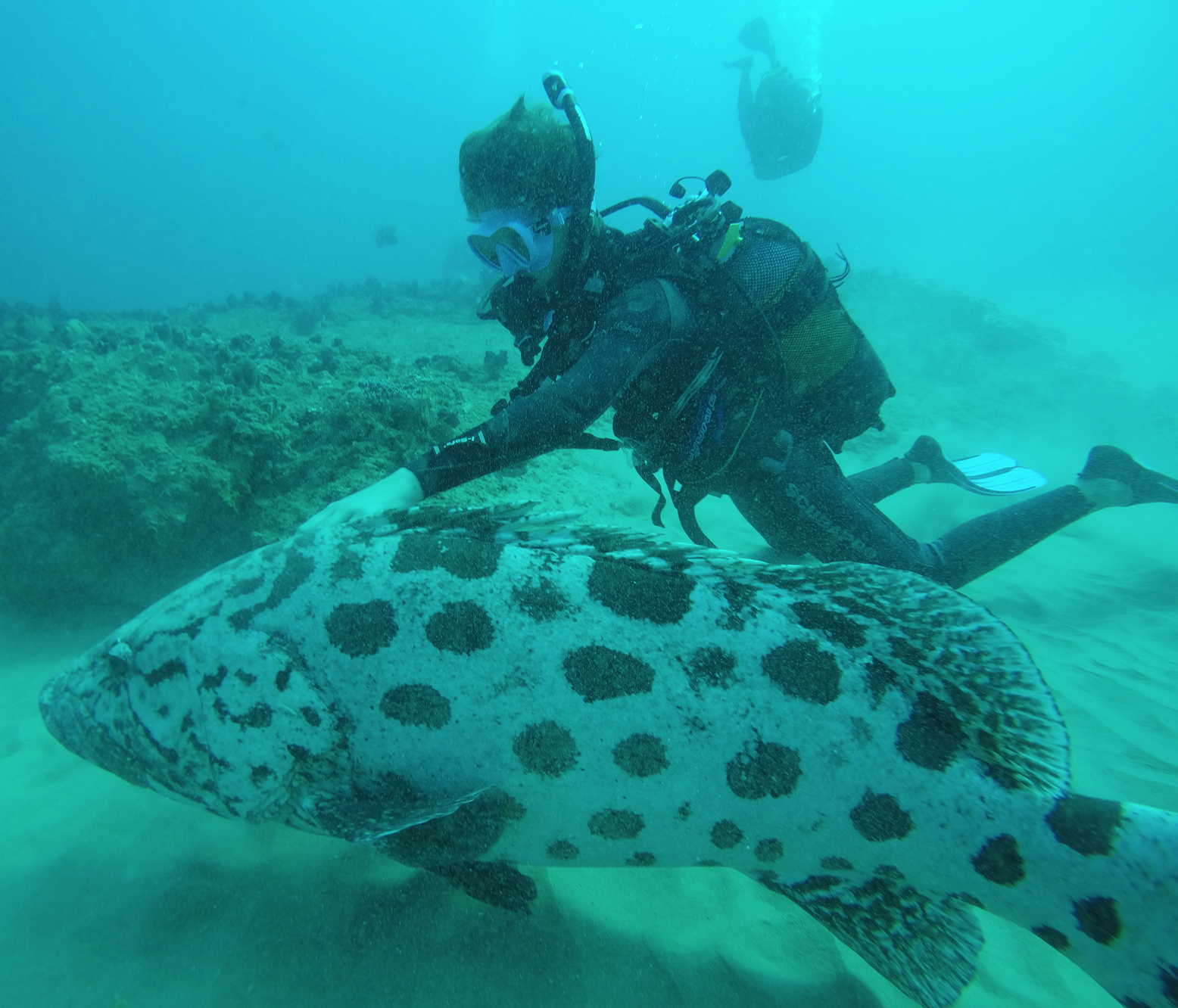
Outside it are the experiences that continue to shape his curiosity: travel, the ocean, conservation, adventure, writing, photography and the people he has encountered along the way.
Some of these experiences have become stories.
Some have become videos.
Others simply remain part of the accumulated perspective that Peter brings to his work.
THE LIFE AROUND THE WORK
Strategy Doesn't Stop at the Office Door.
For Peter, the principles of ambition, contribution, resilience and continuous development extend beyond professional life.
His family has lived alongside that philosophy — sometimes as participants, sometimes as observers, and sometimes by pursuing ambitions of their own.
EXPLORE
One Career. Several Ways to Go Deeper.
Peter’s work can be explored through several connected paths.
Consulting
Designing strategy for organizations ready to rethink what is possible.
The Next Chapter Is About Applying What Has Been Learned.
Peter is now bringing together the different strands of his career and experience into a more focused body of work.
That includes strategic consulting with organizations facing difficult growth and transformation challenges, speaking on leadership and strategy, writing, teaching and sharing practical experience through video.
The formats may change.
The underlying purpose does not:
Use experience to challenge assumptions, design better strategies and help people achieve more than they thought possible.
Peter’s work begins with a question.Not what should you do next?But:
What could become possible if you were willing to rethink the way you’re doing it? If that is a question your organization is asking, start the conversation.
We use cookies to ensure that we give you the best experience on our website. If you continue to use this site we will assume that you are happy with it.